The Hidden Costs of Retail Shoplifting
 VeniVidiVideo | July 6, 2026
Introduction
Retail shoplifting is more than just taking products without paying. While the stolen item may seem small, the total cost to businesses can be much greater. Shoplifting affects store owners, employees, customers, and even local communities. Understanding these hidden costs helps explain why stores invest so much in security.
Financial Losses
The most obvious cost of shoplifting is lost merchandise. Every stolen product reduces the store’s income. When theft happens often, businesses lose thousands or even millions of dollars each year.
Small businesses are especially affected because they have fewer resources to recover these losses.
Higher Prices for Customers
Many retailers increase product prices to cover losses caused by theft. This means honest customers may end up paying more for everyday items.
Although each price increase may seem small, the total impact can be significant over time.
Increased Security Expenses
Stores spend large amounts of money on security systems. They install cameras, alarm systems, security tags, and locked display cases. Some businesses also hire security guards to monitor customers.
These investments help reduce theft but also increase operating costs.
Employee Challenges
Shoplifting creates extra work for employees. Staff members must watch for suspicious behavior while also helping customers. This can increase stress and make daily work more difficult.
Employees also receive training on how to report theft safely without putting themselves at risk.
Impact on Business Growth
Money spent replacing stolen products or improving security cannot be used for business expansion. Some companies delay opening new stores, hiring employees, or improving customer services because of retail losses.
This limits growth and reduces future opportunities.
Community Effects
When theft becomes a serious problem, some businesses may reduce operating hours or even close stores. This affects local communities by reducing shopping options and eliminating jobs.
Communities with high retail crime often experience fewer business investments.
Preventing Shoplifting
Retailers use many methods to reduce theft. Good lighting, security cameras, friendly customer service, and trained employees all help prevent shoplifting. Some stores also use electronic security tags and self-checkout monitoring systems.
Working together, these methods make stealing more difficult.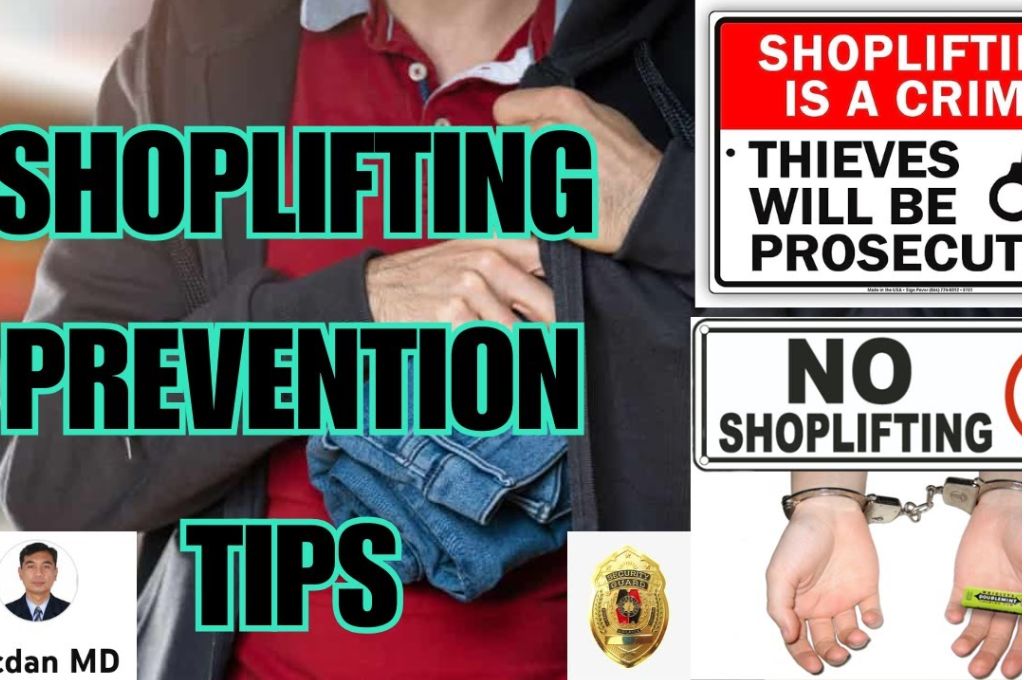
Why Prevention Is Important
Preventing theft benefits everyone. Businesses keep more profits, employees work in safer environments, and customers enjoy better prices. Strong security also creates a more comfortable shopping experience.
Even simple improvements can reduce opportunities for theft.
Conclusion
Retail shoplifting has many hidden costs beyond the value of stolen products. Businesses spend money on security, customers may pay higher prices, and communities can lose valuable stores and jobs. By understanding these effects, retailers can continue improving their security while creating safer places for everyone to shop.
Written by VeniVidiVideo
Related View More
VeniVidiVideo | February 28, 2023
Mastering Marketing: Tips and Strategies for Success
VeniVidiVideo | November 20, 2022
Team building activities that strengthen your company
VeniVidiVideo | September 17, 2026
Black Temple Raid Completed in Record Time
VeniVidiVideo | June 8, 2026
Milk Sickness and the Death of Lincoln’s Mother
VeniVidiVideo | May 19, 2026
Exploring the Lyrics of Digital Nas “Business”
VeniVidiVideo | March 12, 2026
How to Work With Frequencies to Improve Your Life
VeniVidiVideo | January 22, 2026
Comments
This post currently has no responses.